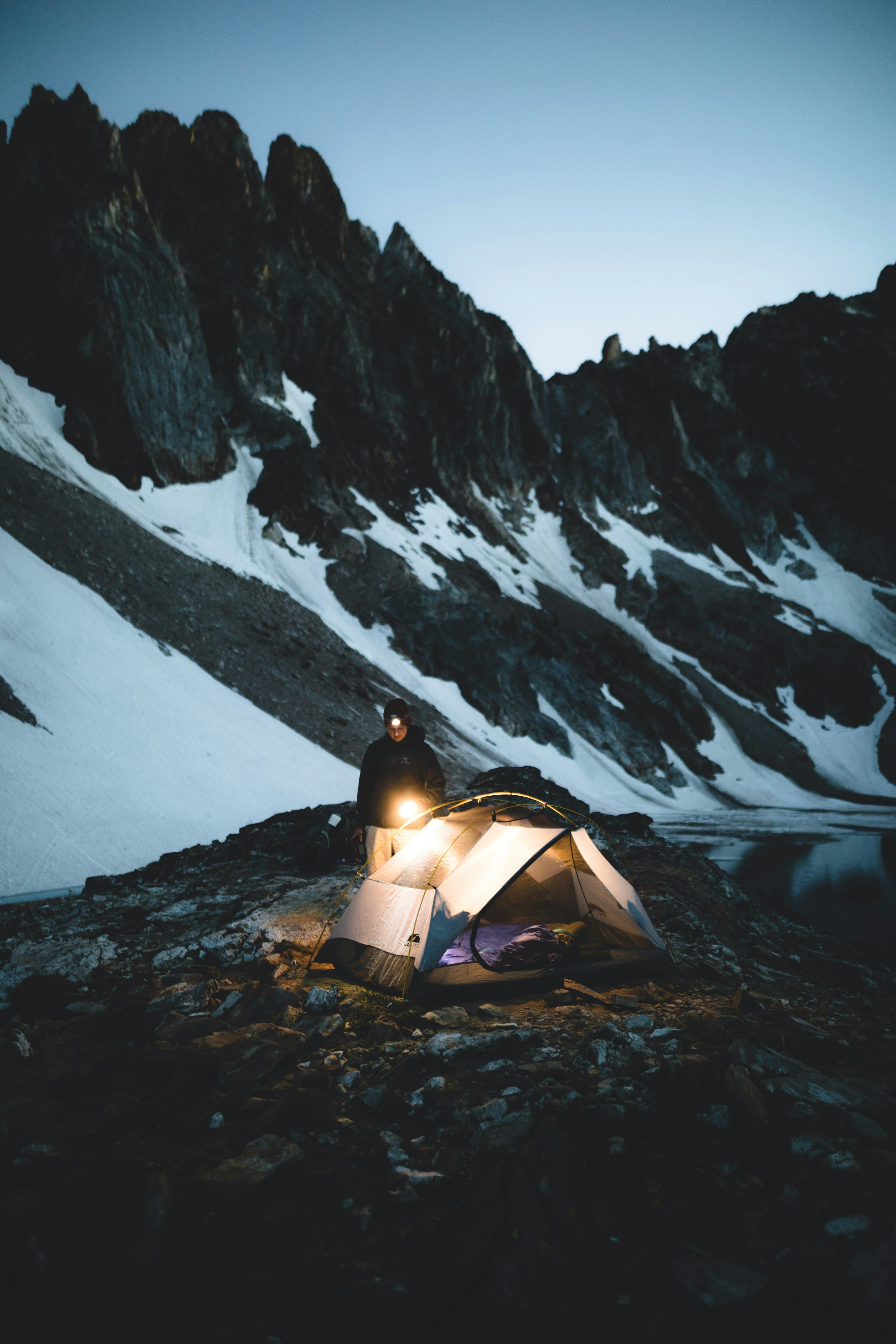
How to Choose an LED Camping Lantern: 5 Things to Check
As the weather warms up, more families are packing their gear for a night outdoors. Once the sun goes down, a dependable lantern makes cooking, reading and finding your way around camp much easier.
LED lanterns offer adjustable light without an open flame. Many are rechargeable, and warm-light settings can bring some of the cozy feel of a traditional lantern to your campsite. With so many similar-looking options, the details matter. Here are five things to check—especially battery life.

1. Match brightness to the job
Brightness is usually listed in lumens (lm). Think about where you will use the light before choosing the highest number on the shelf. The following figures are starting points from the source guide, rather than fixed requirements for every campsite.
- Main campsite lighting: Around 1,000 lumens can be a starting point for a shared outdoor area. Consider the area you need to cover and how the lantern spreads its light. More than one light may be useful.
- Inside the tent: Around 150–300 lumens may be enough for general lighting. A dimmer helps keep the space comfortable when you do not need full brightness.
- Short trips around camp: Around 100 lumens can be a starting point for nearby illumination. Adjust to the terrain and visibility, and choose a light that is easy to carry.
A lantern that hangs neatly inside a tent may feel awkward in your hand. Consider its weight, handle and shape as well as its light output.

2. Choose a practical power source
USB-rechargeable lanterns are convenient when you can recharge before a trip or bring a compatible power bank. Models that accept replaceable batteries can also be useful when charging is unavailable, though spare batteries add weight and cost.
If a model supports both rechargeable and replaceable batteries, that flexibility may suit longer trips. Check the manufacturer's instructions to confirm which power sources it actually accepts.
Solar charging and hand-crank options can provide backup power on some models. Check their charging times and expected light output before relying on them for a whole evening.
3. Look for adjustable brightness and light color
A clear white light can be useful for preparing food or organizing gear. A warm light can feel more relaxing when you are sitting around camp after dinner. Adjustable color temperature lets one lantern suit different moments.
Dimming is just as useful. Turn the light up when you need it and lower it for a quieter evening. Lower settings can also help extend runtime; compare the stated runtime for each mode.

4. Check runtime at the brightness you will use
Battery life deserves particular attention. The longest runtime printed on a box may refer to the lowest setting, so it does not necessarily tell you how long the lantern will light your campsite at a useful brightness.
For a long evening outdoors, roughly seven hours at your intended setting is a useful planning target from the original guide. Your actual needs will depend on the length of the trip, the hours of darkness and your opportunities to recharge.
For a multi-night trip, plan how you will recharge or replace batteries. If the lantern also charges your phone, allow for the power that this will use. Emergency lighting needs a separate plan for backup power and duration; do not assume an ordinary camping lantern will run continuously for days.
5. Check weather protection and everyday features
Dust and water resistance
Look for a stated IP rating and read the manufacturer's explanation of the protection it provides. The source guide suggests IP54 as a starting point for ordinary outdoor use. Water-resistance claims have limits: follow the model's specified conditions and do not assume a lantern can be submerged.

Phone charging
Some lanterns can double as a power bank. That can be handy, but keep enough battery capacity in reserve for lighting and check device compatibility.

Carrying, hanging and standing
A comfortable handle, a practical hanging point and a stable base make a lantern easier to use in different places. Think about where it will sit or hang in your own camping setup.
Choose a lantern you will enjoy using
Start with the brightness, power source and runtime your trip requires. Then consider the light color, size and appearance you prefer. A lantern that meets your practical needs and makes your campsite feel welcoming is one you will look forward to packing.
A lantern to consider: Khonsu E3

Khonsu E3 Amber Camping Lantern with 10,000mAh Power Bank
A rechargeable camping lantern with adjustable brightness and 6 moods, amber and white light options, and a 10,000mAh battery with USB output for charging compatible devices.
View Khonsu E3 Amber Camping Lantern with 10,000mAh Power Bank